Understanding PPF Winter Road Salt Protection
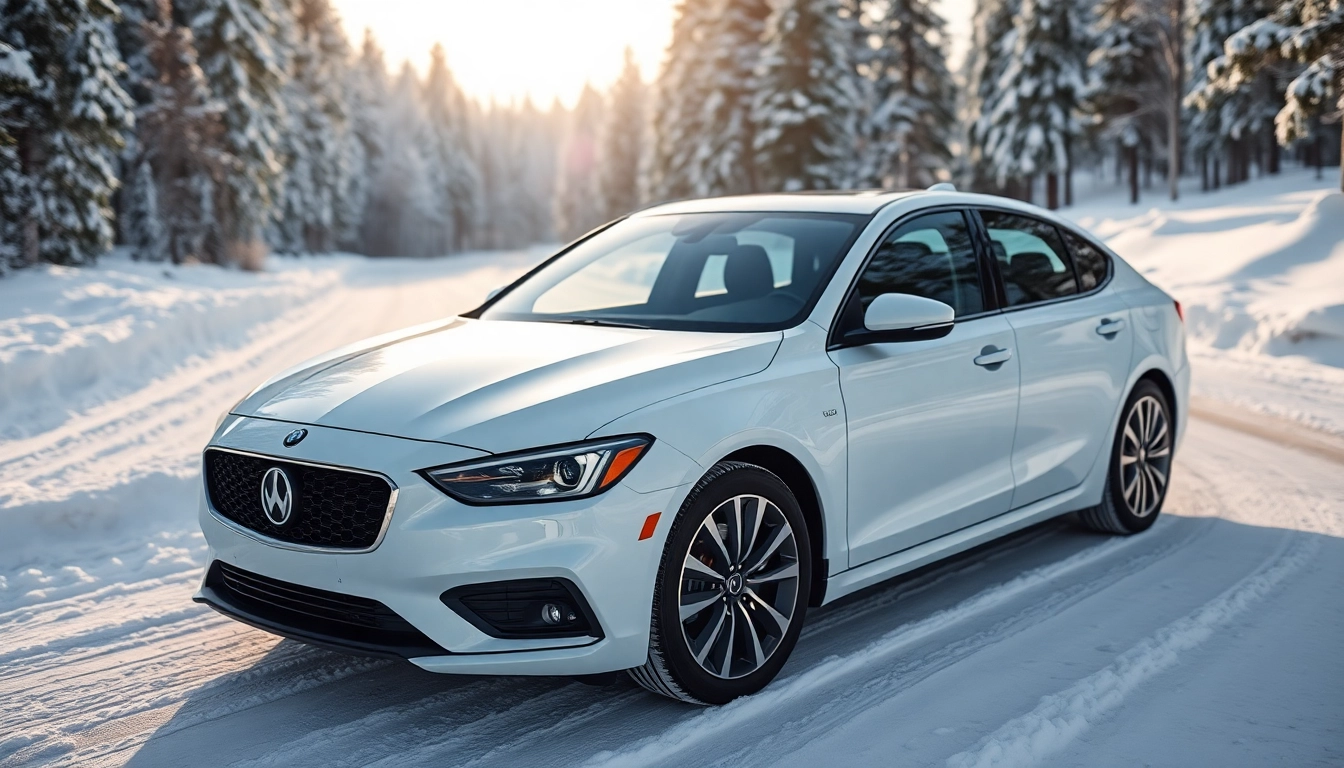
Winter can be a challenging time for vehicle owners, particularly in areas where road salt is commonly used to manage snow and ice on highways and local streets. These harsh elements can significantly damage your vehicle's paint and bodywork. Fortunately, investing in PPF winter road salt protection offers an effective solution. This article delves into the intricacies of Paint Protection Film (PPF) and its advantages during the colder months, allowing you to safeguard your investment year-round.
What is PPF?
Paint Protection Film (PPF) is a high-grade, transparent urethane film applied to the exterior of vehicles to protect against scratches, chips, and environmental contaminants. It acts as a barrier against physical damage and weather-related degradation, making it an ideal choice for protecting vehicles in harsh winter environments. Originally developed for military applications, PPF has evolved and now boasts excellent clarity, durability, and self-healing properties, allowing it to maintain a pristine appearance over time.
How Does PPF Protect Against Winter Elements?
One of the key advantages of PPF is its ability to protect against winter elements. As road salts and de-icers are used to keep roads safe, they can lead to corrosion and rust if they come into prolonged contact with your vehicle's paint. PPF forms a barrier that absorbs the impacts from these abrasive materials and shields your vehicle from harmful chemicals and degradation caused by moisture and freezing temperatures.
The Importance of Winter Maintenance
Winter maintenance is crucial for vehicle longevity. Regular washing to eliminate road salt and grime is essential; however, this can still lead to micro-abrasions over time. PPF offers additional protection, reducing the need for frequent washings and close inspections for scratches or chips. By minimizing exposure to these detrimental factors, PPF enhances the overall health of your vehicle while simplifying maintenance.
Benefits of Applying PPF for Winter
Long-Term Cost Savings
Investing in PPF can lead to significant long-term cost savings. By preventing scratches, chips, and paint degradation, PPF can minimize repair costs and paint touch-up expenses. When applied correctly, PPF can last for several years, preserving your vehicle’s finish and saving you money on repainting or extensive bodywork that could result from neglecting winter conditions.
Enhanced Vehicle Appearance
Enhancing your vehicle's appearance is another invaluable benefit of PPF. The film is nearly invisible and does not alter the original aesthetic of your car. A well-applied PPF ensures that the paint maintains its vibrant color and gloss, free from chips or dull spots that often occur due to winter wear. This aesthetic appeal is not only pleasing to the eye but contributes to an overall sense of pride in ownership.
Improved Resale Value
Cars in optimal condition fetch better resale values. By applying PPF, you increase resale attractiveness due to a well-maintained exterior. Prospective buyers are often willing to pay a premium for vehicles that have been preserved from damage and appear like new. Investing in PPF now safeguards not only your vehicle during winter but also your financial interests when it’s time to sell.
Choosing the Right PPF for Winter Use
Types of PPF Available
There are several types of PPF available on the market today, each designed with specific characteristics that cater to different needs. Some films are thicker for maximum protection, while others are designed to be self-repairing, which means minor scratches can disappear with heat exposure. Knowing what options are available enables you to make an informed decision based on your winter driving conditions and vehicle type.
Key Features to Look For
When choosing a PPF for winter, consider key features such as thickness, self-healing properties, UV resistance, and clarity. Thicker films provide heightened physical protection, while self-healing films can recover from minor scratches when exposed to heat. UV resistance is critical in preventing discoloration, and clarity ensures that your vehicle’s original finish is showcased without distortion.
Consulting Professionals for Your Needs
While DIY options exist, consulting a professional is advisable for the best results. Expert installation ensures that the film adheres correctly and offers maximum protection. Professionals also have access to higher-quality PPF products and can provide valuable insights based on your specific vehicle and usage, ensuring you get the right PPF for your winter driving conditions.
Application Process of PPF for Winter Protection
Preparing Your Vehicle
Preparation is crucial for a successful PPF application. Start by thoroughly washing your vehicle to eliminate dirt and grime. Next, inspect for scratches or blemishes, as these should be corrected prior to PPF installation. A clean, polished surface facilitates better adhesion of the film and maximizes the film's protective capabilities.
Step-by-Step Installation
The installation process typically involves several steps:
- Cutting the Film: The film is cut to match the vehicle's dimensions and contours, ensuring a precise fit.
- Application: The film is meticulously applied to the surface while removing any air bubbles. A slip solution may be used to assist in positioning.
- Trimming: Excess film is trimmed around edges and seams for a seamless look.
- Heat Activation: Heat is applied to help the film adhere and eliminate any potential curls or lifting.
Post-Application Care Tips
After installation, the care of PPF is relatively straightforward but essential. Avoid washing your car for at least two weeks to allow for proper bonding. When cleaning, use soft microfiber cloths and mild pH-neutral soaps to prevent damage. Regular inspections for any lifting or issues ensure longevity, preserving the protective benefits of the film.
Frequently Asked Questions about PPF Winter Road Salt Protection
Is PPF worth the investment for winter driving?
Yes, PPF is a worthwhile investment for winter driving, as it provides comprehensive protection against road salt, chemicals, and physical abrasions, ultimately reducing repair costs.
How long does PPF last in winter conditions?
PPF can last anywhere from five to ten years, depending on the brand and care, providing reliable protection throughout the winter season and beyond.
Can I apply PPF myself?
While DIY installation is possible, professional application is recommended to ensure a proper fit and maximum protection against winter elements.
How does PPF compare to traditional wax?
Unlike traditional wax, which provides temporary protection, PPF offers a durable shield that can withstand harsh winter conditions without degradation.
What maintenance is needed for PPF?
Maintenance includes regular, gentle washing with pH-neutral soaps and inspections for any lifting or damage to ensure the film's longevity and effectiveness.