Posted on

Why PPF Winter Road Salt Protection is Essential for Your Vehicle

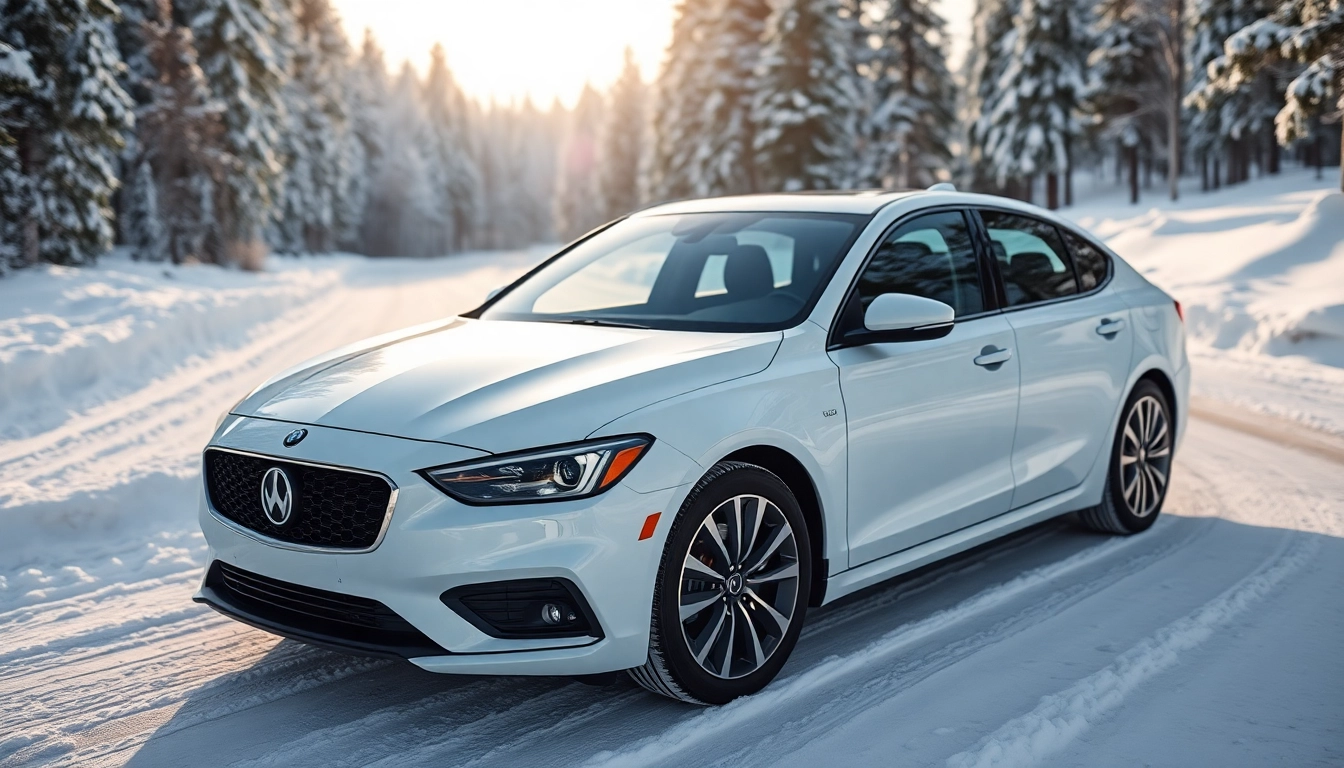
PPF winter road salt protection showcased on a vehicle in a snowy environment.

Understanding PPF Winter Road Salt Protection

Winter can be a challenging time for vehicle owners, particularly in areas where road salt is commonly used to manage snow and ice on highways and local streets. These harsh elements can significantly damage your vehicle’s paint and bodywork. Fortunately, investing in PPF winter road salt protection offers an effective solution. This article delves into the intricacies of Paint Protection Film (PPF) and its advantages during the colder months, allowing you to safeguard your investment year-round.

What is PPF?

Paint Protection Film (PPF) is a high-grade, transparent urethane film applied to the exterior of vehicles to protect against scratches, chips, and environmental contaminants. It acts as a barrier against physical damage and weather-related degradation, making it an ideal choice for protecting vehicles in harsh winter environments. Originally developed for military applications, PPF has evolved and now boasts excellent clarity, durability, and self-healing properties, allowing it to maintain a pristine appearance over time.

How Does PPF Protect Against Winter Elements?

One of the key advantages of PPF is its ability to protect against winter elements. As road salts and de-icers are used to keep roads safe, they can lead to corrosion and rust if they come into prolonged contact with your vehicle’s paint. PPF forms a barrier that absorbs the impacts from these abrasive materials and shields your vehicle from harmful chemicals and degradation caused by moisture and freezing temperatures.

The Importance of Winter Maintenance

Winter maintenance is crucial for vehicle longevity. Regular washing to eliminate road salt and grime is essential; however, this can still lead to micro-abrasions over time. PPF offers additional protection, reducing the need for frequent washings and close inspections for scratches or chips. By minimizing exposure to these detrimental factors, PPF enhances the overall health of your vehicle while simplifying maintenance.

Benefits of Applying PPF for Winter

Long-Term Cost Savings

Investing in PPF can lead to significant long-term cost savings. By preventing scratches, chips, and paint degradation, PPF can minimize repair costs and paint touch-up expenses. When applied correctly, PPF can last for several years, preserving your vehicle’s finish and saving you money on repainting or extensive bodywork that could result from neglecting winter conditions.

Enhanced Vehicle Appearance

Enhancing your vehicle’s appearance is another invaluable benefit of PPF. The film is nearly invisible and does not alter the original aesthetic of your car. A well-applied PPF ensures that the paint maintains its vibrant color and gloss, free from chips or dull spots that often occur due to winter wear. This aesthetic appeal is not only pleasing to the eye but contributes to an overall sense of pride in ownership.

Improved Resale Value

Cars in optimal condition fetch better resale values. By applying PPF, you increase resale attractiveness due to a well-maintained exterior. Prospective buyers are often willing to pay a premium for vehicles that have been preserved from damage and appear like new. Investing in PPF now safeguards not only your vehicle during winter but also your financial interests when it’s time to sell.

Choosing the Right PPF for Winter Use

Types of PPF Available

There are several types of PPF available on the market today, each designed with specific characteristics that cater to different needs. Some films are thicker for maximum protection, while others are designed to be self-repairing, which means minor scratches can disappear with heat exposure. Knowing what options are available enables you to make an informed decision based on your winter driving conditions and vehicle type.

Key Features to Look For

When choosing a PPF for winter, consider key features such as thickness, self-healing properties, UV resistance, and clarity. Thicker films provide heightened physical protection, while self-healing films can recover from minor scratches when exposed to heat. UV resistance is critical in preventing discoloration, and clarity ensures that your vehicle’s original finish is showcased without distortion.

Consulting Professionals for Your Needs

While DIY options exist, consulting a professional is advisable for the best results. Expert installation ensures that the film adheres correctly and offers maximum protection. Professionals also have access to higher-quality PPF products and can provide valuable insights based on your specific vehicle and usage, ensuring you get the right PPF for your winter driving conditions.

Application Process of PPF for Winter Protection

Preparing Your Vehicle

Preparation is crucial for a successful PPF application. Start by thoroughly washing your vehicle to eliminate dirt and grime. Next, inspect for scratches or blemishes, as these should be corrected prior to PPF installation. A clean, polished surface facilitates better adhesion of the film and maximizes the film’s protective capabilities.

Step-by-Step Installation

The installation process typically involves several steps:

  1. Cutting the Film: The film is cut to match the vehicle’s dimensions and contours, ensuring a precise fit.
  2. Application: The film is meticulously applied to the surface while removing any air bubbles. A slip solution may be used to assist in positioning.
  3. Trimming: Excess film is trimmed around edges and seams for a seamless look.
  4. Heat Activation: Heat is applied to help the film adhere and eliminate any potential curls or lifting.

Post-Application Care Tips

After installation, the care of PPF is relatively straightforward but essential. Avoid washing your car for at least two weeks to allow for proper bonding. When cleaning, use soft microfiber cloths and mild pH-neutral soaps to prevent damage. Regular inspections for any lifting or issues ensure longevity, preserving the protective benefits of the film.

Frequently Asked Questions about PPF Winter Road Salt Protection

Is PPF worth the investment for winter driving?

Yes, PPF is a worthwhile investment for winter driving, as it provides comprehensive protection against road salt, chemicals, and physical abrasions, ultimately reducing repair costs.

How long does PPF last in winter conditions?

PPF can last anywhere from five to ten years, depending on the brand and care, providing reliable protection throughout the winter season and beyond.

Can I apply PPF myself?

While DIY installation is possible, professional application is recommended to ensure a proper fit and maximum protection against winter elements.

How does PPF compare to traditional wax?

Unlike traditional wax, which provides temporary protection, PPF offers a durable shield that can withstand harsh winter conditions without degradation.

What maintenance is needed for PPF?

Maintenance includes regular, gentle washing with pH-neutral soaps and inspections for any lifting or damage to ensure the film’s longevity and effectiveness.

Posted on

Boost Your Vehicle’s Aesthetic and Comfort with Window Tint Chattanooga

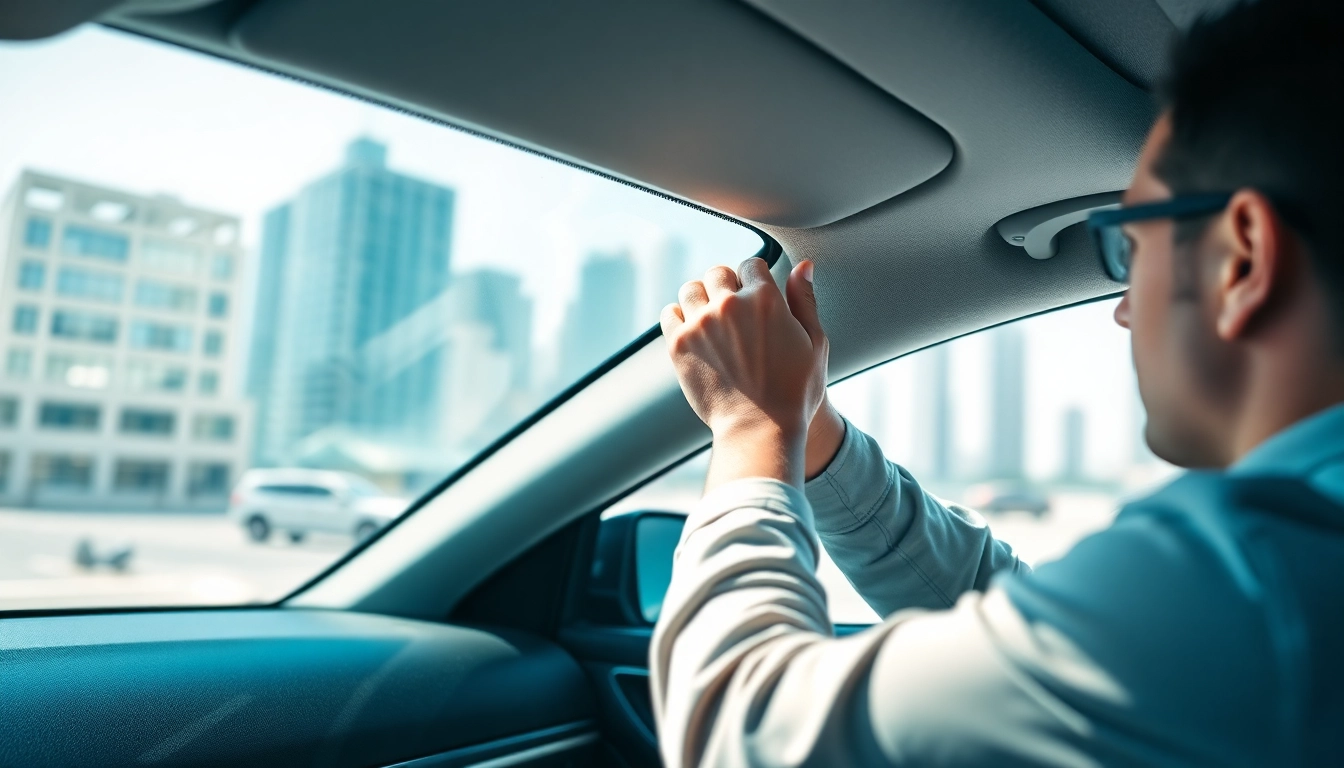
Enhance your vehicle's style with professional window tint Chattanooga installation.

Understanding Window Tint Chattanooga

What is Window Tint?

Window tint refers to a thin film applied to the interior of vehicle windows or on residential and commercial glass. This film typically consists of a polyester base coated with various materials that can absorb or reflect light, thus changing the overall appearance and functionality of the glass. In Chattanooga, the choice of window tint can vary based on aesthetic preferences, privacy needs, and local regulations.

Benefits of Window Tint

Applying window tint Chattanooga offers numerous benefits, making it a popular choice among vehicle owners and homeowners. Advantages include:

  • UV Protection: Window tint effectively blocks harmful ultraviolet (UV) rays, protecting both occupants and interior furnishings from sun damage.
  • Temperature Control: Tinted windows help maintain a comfortable temperature inside vehicles and homes, reducing reliance on air conditioning.
  • Enhanced Privacy: Window tint provides an additional layer of privacy, deterring potential theft and ensuring occupants feel secure.
  • Glare Reduction: Tinted windows significantly decrease glare from sunlight, improving visibility and comfort while driving or working.
  • Improved Aesthetics: Tinted windows contribute to a sleek, polished look, enhancing the overall aesthetic appeal of vehicles and properties.

Types of Window Tint Available

There are several types of window tint available in Chattanooga, each catering to different needs and preferences:

  • Dyed Film: This is an affordable option that provides privacy and glare reduction. It blocks some heat but not as effectively as ceramic or metallic films.
  • Metallic Film: Consisting of tiny metallic particles, this type reflects heat while providing a shiny appearance. However, it may interfere with electronic devices.
  • Carbon Film: Known for its durability and UV protection, carbon film doesn’t fade and provides excellent heat rejection.
  • Ceramic Film: A premium choice, ceramic films offer superior heat rejection and UV protection without interfering with electronic signals.
  • Hybrid Film: This combines dyed and metallic elements offering a balance of glare reduction and heat rejection.

Choosing the Right Window Tint Chattanooga

Factors to Consider

When selecting window tint, several factors play a crucial role in making the right decision:

  • Legal Regulations: Check local laws regarding tint darkness and reflectivity to ensure compliance.
  • Heat Rejection: Assess how much heat you want to block for comfort during hot summers.
  • Aesthetic Appeal: Consider the color and style that best suits your vehicle or property.
  • Budget: Prices vary significantly; balance cost with desired quality and benefits.
  • Installation Quality: Choose reputable professionals for installation to avoid common pitfalls.

Legal Limitations in Chattanooga

Understanding the legal restrictions on window tint is crucial for compliance. In Chattanooga, specific regulations dictate the maximum allowable darkness and reflectivity for vehicle windows. Generally, the front windshield must allow more than 70% of light in, while the front side windows should permit at least 35% light. The back windows can be darker, but it’s advisable to check local statutes to avoid fines or rejections at inspection.

Cost vs. Value

The cost of window tinting in Chattanooga can vary widely based on the type of film used, the vehicle’s size, and the complexity of the installation. While lower-priced films may seem attractive initially, investing in higher-quality tint with better performance and durability can yield long-term benefits, such as less fading and reduced heat levels. Consider how comfort, aesthetic appeal, and UV protection will contribute to the overall value of your investment.

Installation Process for Window Tint Chattanooga

Preparation Steps

Proper preparation is vital for a successful window tint installation. Here are the essential steps to follow:

  1. Clean the Windows: Ensure all glass surfaces are clean and free from debris. Use a glass cleaner and microfiber cloth to avoid streaks.
  2. Measure and Cut: Professional installers will measure each window to cut the tint film accurately, ensuring a precise fit.
  3. Gather Materials: Confirm that all tools, including the tint film, application solution, and squeegees, are available before starting.
  4. Choose the Right Environment: Install in a controlled environment to minimize dust and debris factors that can mar the finish.

What to Expect During Installation

During the installation process, expect the following:

  • The installer will apply a solution to the window to assist with film placement and adjustability.
  • Once positioned, the film will be carefully smoothed out, eliminating air bubbles and creases.
  • The edges will be trimmed and sealed to ensure a perfect fit along the window’s edges.
  • The installer will inform you about the drying time and any post-application care needed.

Post-Installation Care

After installing window tint, careful maintenance is essential. Here are tips for post-installation care:

  • Avoid rolling down windows for at least 48 hours to allow the adhesive to set properly.
  • Do not use ammonia-based cleaners on the tinted area; instead, use a gentle soap and water solution to clean.
  • Keep an eye out for bubbling or peeling, which may indicate a problem with the installation that needs addressing.

Maintaining Your Window Tint Chattanooga

Cleaning Tips

Regular cleaning is crucial to maintaining the appearance and effectiveness of window tint. Use a soft microfiber cloth and a gentle glass cleaner to clean windows. Avoid abrasive materials that can scratch the film. For stubborn stains, employ a mixture of mild soap and water to effectively cleanse without damaging the tint.

Identifying Damage

Keep a lookout for signs of damage, including:

  • Fading: Over time, some films may begin to fade, particularly lower-quality products.
  • Bubbling: Bubbles forming between the tint and the glass can signal an issue with installation.
  • Peeling: Check the edges of the tint for peeling, which can occur due to poor adhesion.

When to Seek Professional Help

If you notice any signs of damage or if maintenance becomes difficult, don’t hesitate to seek professional assistance. A qualified installer can evaluate the tint, perform repairs, or replace it if necessary, ensuring your windows continue to provide the intended benefits.

Frequently Asked Questions About Window Tint Chattanooga

How long does window tint last?

Quality window tints can last from 5 to 15 years, depending on the material and care. Regular maintenance can extend tint lifespan.

Can window tint be removed?

Yes, window tint can be removed. It’s recommended to consult a professional for proper removal to avoid damaging the glass.

Is window tint legal in Chattanooga?

Yes, window tint is legal in Chattanooga, but it must comply with state regulations regarding darkness and reflectivity.

What are the UV protection benefits?

Window tint blocks up to 99% of harmful UV rays, protecting the skin, interiors, and reducing heat buildup inside vehicles or properties.

How do I choose a tint percentage?

Choosing a tint percentage depends on your privacy preferences, heat reduction needs, and legal regulations. Always check local laws before deciding.